
Raised SGPT and SGOT: what your liver enzyme numbers mean
A raised SGPT on a routine test worries people more than almost any other result. Usually the cause is treatable — and the ratio between the two enzymes is the first clue.
SGPT and SGOT are enzymes that live inside liver cells. When those cells are injured, the enzymes leak into the blood. So the numbers are not a measure of how well your liver is working — they are a measure of how much liver cell damage is happening. That distinction explains most of what follows.
Modern reports usually use the newer names: SGPT is ALT (alanine aminotransferase), SGOT is AST (aspartate aminotransferase). They are the same tests.
What the two enzymes tell you#
- ALT (SGPT) is found mostly in the liver, so a raised ALT points fairly specifically at liver cell injury.
- AST (SGOT) also occurs in heart and skeletal muscle and in red cells. A raised AST with a normal ALT often has nothing to do with the liver at all — hard exercise, an intramuscular injection, a muscle injury or a haemolysed blood sample will do it.
Normal ranges are not as fixed as they look#
Most laboratories report an upper limit of around 40 U/L for both. Specialist liver societies use a stricter healthy threshold — roughly 30 U/L for men and 19–25 U/L for women — because the wider laboratory ranges were derived from populations that included a great many people with undiagnosed fatty liver. If your ALT is 38 and your report calls it normal, it may still be worth explaining.
The AST:ALT ratio, and why it is the first thing to look at#
| Pattern | Commonly suggests |
|---|---|
| ALT higher than AST (ratio under 1) | Fatty liver disease, chronic viral hepatitis, drug injury |
| AST roughly twice ALT or more | Alcohol-related liver disease — especially with a raised GGT and MCV |
| Both above 1,000 U/L | Acute injury: paracetamol overdose, acute viral hepatitis, ischaemia, or a severe drug reaction. Needs urgent assessment. |
| AST raised, ALT normal | Often muscle, heart or red cells rather than liver — check CK |
| Ratio rising towards 1 or above over years in known liver disease | Progression towards cirrhosis |
The common causes, roughly in order of frequency#
- Non-alcoholic fatty liver disease. By far the commonest cause of a mildly raised ALT worldwide, and strongly linked to central weight, insulin resistance, high triglycerides and low HDL.
- Alcohol. Look for the AST:ALT ratio above 2, a raised GGT, and a raised MCV on the blood count.
- Chronic viral hepatitis B or C. Both can raise ALT for years with no symptoms whatsoever. Both are testable in a single blood draw.
- Medicines and supplements. Paracetamol at or above four grams a day (much less with regular alcohol), anti-tuberculosis drugs, methotrexate, some antibiotics, statins, anti-epileptics, anabolic steroids, high-dose niacin, green tea extract, and a number of herbal and Ayurvedic preparations. This is the cause most often missed, because patients do not think of supplements as medicines.
- Metabolic and endocrine causes. Untreated thyroid disease, coeliac disease, and rarer inherited conditions such as haemochromatosis and Wilson's disease.
- Muscle. Strenuous exercise in the 48 hours before the test can raise AST and mildly raise ALT. Repeat after three quiet days before pursuing anything.
- Gallstones and biliary obstruction. Usually with a disproportionately raised ALP and bilirubin.
The tests that belong with it#
An ALT on its own supports very few conclusions. A useful liver panel includes:
- ALP and GGT — to separate hepatocellular injury from a cholestatic (bile flow) pattern.
- Bilirubin, total and direct — the marker that turns into visible jaundice.
- Albumin and prothrombin time / INR — the true measures of liver function, as opposed to injury.
- Full blood count with platelets — a falling platelet count is one of the earliest signs of portal hypertension and fibrosis.
- HBsAg and anti-HCV — always, in anyone with a persistently raised ALT.
- Fasting glucose or HbA1c, and a lipid profile — for the metabolic causes.
- Abdominal ultrasound, and elastography or a FIB-4 score for fibrosis staging.
Red flags: do not wait for the next appointment#
- Yellow eyes or skin, or dark cola-coloured urine with pale stools.
- Confusion, drowsiness, day-night reversal, or a flapping tremor of the outstretched hands.
- Vomiting blood, or black tarry stools.
- A rapidly swelling abdomen, or new swelling of both legs.
- Severe right upper abdominal pain with fever.
- Any suspected paracetamol overdose — the antidote works best within eight hours and blood tests can look normal at first.
What actually brings the numbers down#
For the commonest cause — fatty liver — the evidence is unusually clear and unusually unwelcome: sustained weight reduction of five to ten percent, cutting sugar-sweetened drinks and refined carbohydrate, 150 minutes a week of moderate activity, and treating diabetes and lipids properly. That combination normalises ALT in a large share of patients and reverses steatosis. No supplement matches it.
For alcohol-related injury, stopping alcohol. For viral hepatitis, treating the virus. For drug injury, identifying and stopping the drug under medical guidance. The pattern is consistent: treat the cause, and the enzymes follow.
Where our formulations fit#
HOOPATIN is our proprietary Unani-Ayurvedic hepatoprotective formulation, used alongside the changes above rather than instead of them, and always with the cause identified first. We ask for a baseline liver panel before starting and a repeat after the course, for a straightforward reason: a liver preparation that cannot show you a before and after is asking for faith rather than offering evidence.
It is also worth saying the uncomfortable thing. Herbal medicines are a recognised cause of drug-induced liver injury, and some products sold as liver tonics have caused serious harm. Ask any supplier what is in the formulation, whether the facility is GMP certified, and how they monitor. If the answer is vague, that is your answer.
Questions patients ask
Is SGPT 60 dangerous?
It is mildly raised, not dangerous in itself, and in most people reflects fatty liver. It does need explaining rather than ignoring: repeat it after three days avoiding alcohol, strenuous exercise and supplements, and ask for hepatitis B and C screening plus an ultrasound if it stays up.
What is the difference between SGPT and ALT?
They are the same enzyme and the same test. SGPT is the older name, ALT the current one. The same applies to SGOT and AST.
Can exercise raise liver enzymes?
Yes. Strenuous exercise raises AST notably and ALT modestly, and can persist for two to three days. Always mention recent heavy exercise before an abnormal result is investigated.
Which is more serious, high SGPT or high SGOT?
Neither is inherently worse — the ratio and the context matter more. ALT is more liver-specific. AST above roughly twice ALT points towards alcohol; both above 1,000 U/L is an acute emergency pattern.
Can herbal medicines damage the liver?
Yes. Herbal and dietary supplements are a well-documented cause of drug-induced liver injury. Take them from a GMP-certified manufacturer, tell your doctor what you are taking, and monitor liver enzymes before and after any course.
Treatments mentioned in this guide
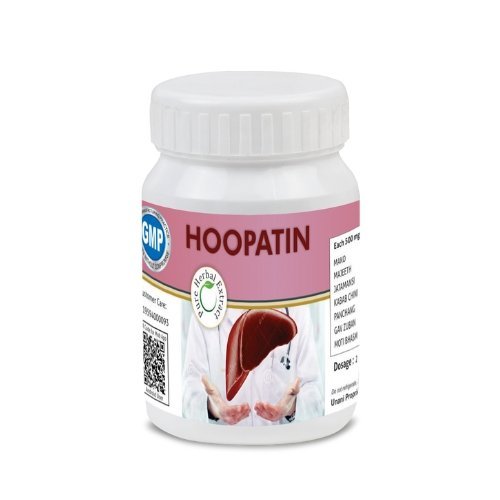 HOOPATINHepatoprotective blend that lowers elevated liver enzymes and restores liver function.
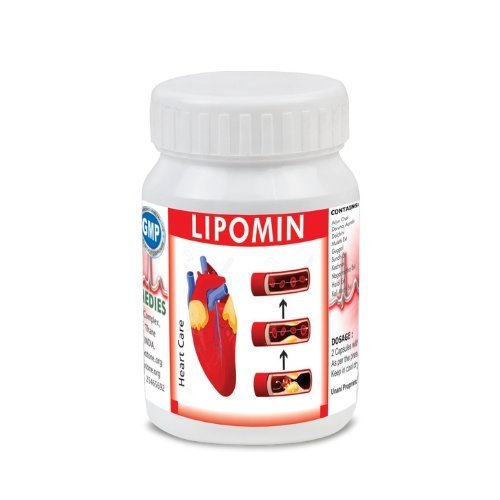 LIPOMINGinger, garlic, apple vinegar & lemon in one synergistic lipid-balancing formula.