
Diabetes and herbal medicine: what helps, what does not, and what to measure
Some plants do lower blood glucose. That is exactly why combining them with your existing medication without telling anyone is the dangerous option.
This is a subject where our own commercial interest points one way and honesty points another, so let us be direct. Several plants used in Unani and Ayurvedic practice do lower blood glucose measurably. The effects are real but generally modest, the trial evidence is weaker than it should be, and the most important practical consequence is not the benefit — it is that adding a glucose-lowering herb to insulin or a sulfonylurea without adjusting anything can cause hypoglycaemia.
First, the numbers that actually matter#
| Measure | What it tells you | Typical adult target |
|---|---|---|
| HbA1c | Average glucose over roughly three months | Under 7% (53 mmol/mol) for most adults; individualised |
| Fasting glucose | Overnight baseline control | 80–130 mg/dL |
| Post-prandial glucose (2 h) | Response to meals | Under 180 mg/dL |
| Blood pressure | The single largest driver of kidney and eye damage | Generally under 130/80 mmHg |
| LDL cholesterol | Cardiovascular risk — the leading cause of death in diabetes | Set by your overall risk; often under 100 or under 70 mg/dL |
| Urine albumin-creatinine ratio and eGFR | Early kidney involvement | Checked at least annually |
HbA1c is the one to anchor on, because it cannot be gamed by a careful week before the test. Note also that it is misleading in anaemia, recent blood loss, haemoglobinopathies and advanced kidney disease — in those situations your doctor will rely more on glucose readings.
The herbs with the most evidence — and how much that is#
Berberine#
The strongest signal of the group. Small randomised trials and meta-analyses report HbA1c reductions in the range achieved by metformin, though the trials are mostly small, short and conducted in a single region, which limits confidence. It commonly causes constipation, diarrhoea and abdominal cramps, and it inhibits CYP3A4 — so it interacts with a long list of medicines including some statins, ciclosporin and certain antivirals. Not for use in pregnancy.
Fenugreek (methi, Trigonella foenum-graecum)#
Reasonably consistent modest reductions in fasting glucose, mostly attributed to soluble fibre slowing carbohydrate absorption. Effect sizes are small. Doses high enough to matter cause flatulence in most people, and there is a theoretical interaction with anticoagulants.
Bitter melon (karela, Momordica charantia)#
Widely used and widely studied, with genuinely inconsistent results — some trials show a small fall in fasting glucose, others none, and head-to-head comparisons with metformin favour metformin. Avoid in pregnancy.
Gymnema sylvestre (gurmar)#
Long traditional use and promising laboratory work, but the human trials are few, small and mostly poorly controlled. Honest summary: plausible, unproven.
Cinnamon#
Small effects on fasting glucose in some trials and little consistent effect on HbA1c. Note also that common cassia cinnamon contains coumarin, which is hepatotoxic at high sustained intake — Ceylon cinnamon does not, in any meaningful amount.
Jamun (Syzygium cumini)#
Deep traditional use across South Asia for exactly this indication and reasonable pharmacological rationale, but the controlled human evidence remains thin.
Set against all of the above: metformin, GLP-1 receptor agonists and SGLT2 inhibitors have large, replicated trials with hard outcomes — heart attacks, kidney failure, death. None of the herbs above has anything comparable. Anyone who tells you a herbal formulation replaces those has not read the evidence.
The interaction risk, stated plainly#
If a herb lowers glucose and you are already taking insulin, gliclazide, glimepiride or glibenclamide, the two effects add up. Hypoglycaemia is the result, and in an older patient living alone it is a genuinely dangerous event.
- Tell your diabetes doctor before you start, not after.
- Monitor glucose more often for the first two to three weeks — fasting and two hours after your largest meal.
- Know the warning signs: sweating, tremor, hunger, palpitations, confusion, irritability.
- Keep fast-acting glucose within reach, and tell whoever you live with what to look for.
- Any dose reduction of prescribed medication is decided by your doctor on the basis of your readings, never in advance and never by us.
What moves HbA1c most, in order#
- Weight. A sustained five to ten percent reduction improves glucose, blood pressure and lipids simultaneously. Substantial weight loss can put type 2 diabetes into remission — no supplement does this.
- Carbohydrate quality and quantity at each meal, particularly cutting sugar-sweetened drinks and refined flour.
- Movement. 150 minutes a week of moderate activity plus two resistance sessions. A ten-minute walk after each meal has a measurable effect on post-prandial peaks.
- Taking prescribed medication consistently. Unglamorous, and the largest single lever after weight.
- Sleep and untreated sleep apnoea. Frequently overlooked and often substantial.
- Adjunctive herbal support, if you and your doctor decide it fits. Last on this list, deliberately.
The screening that prevents the complications#
- HbA1c every three to six months.
- A dilated retinal examination every year — retinopathy is silent until it is not.
- Urine albumin-creatinine ratio and eGFR every year.
- Feet examined at every visit, and daily by you. Check between the toes.
- Blood pressure at every visit, and lipids annually.
- Dental review every six months. Gum disease and glucose control worsen each other.
Where our formulation fits#
HOODIAB PLUS is a proprietary Unani-Ayurvedic formulation intended as adjunctive support for glycaemic control, manufactured under GMP conditions. We ask every patient for a baseline HbA1c and a current medication list before recommending it, we ask for a repeat HbA1c after three months, and our physicians will say plainly when the honest recommendation is diet, weight and your prescribed medicine rather than anything we sell.
It is not a replacement for metformin or insulin, it is not a cure for diabetes, and any supplier who tells you otherwise is putting your kidneys and your eyesight at risk to make a sale.
Questions patients ask
Can herbal medicine cure diabetes?
No. Type 2 diabetes can go into remission with substantial sustained weight loss, and type 1 always requires insulin. No herbal preparation cures either. Some may modestly support glucose control alongside proper treatment.
Which herb lowers blood sugar the most?
On current evidence berberine has the largest reported effect, though the trials are small and it interacts with many medicines and commonly upsets the stomach. Fenugreek has more consistent but smaller effects. None matches metformin for evidence quality or outcome data.
Can I take a herbal formulation with metformin?
Usually, but tell your doctor first and monitor your glucose more closely at the start. The greater caution applies to insulin and sulfonylureas such as gliclazide and glimepiride, where the combined glucose-lowering effect can cause hypoglycaemia.
How soon would I see a change in HbA1c?
HbA1c reflects roughly three months of average glucose, so a repeat before twelve weeks tells you very little. Daily glucose readings will move sooner and are what you watch for safety in the first few weeks.
Is cinnamon safe to take every day?
Ceylon cinnamon in culinary amounts is fine. Common cassia cinnamon contains coumarin, which can be hepatotoxic at high sustained doses, so daily high-dose cassia supplements are not advisable — particularly alongside any other liver concern.
Treatments mentioned in this guide
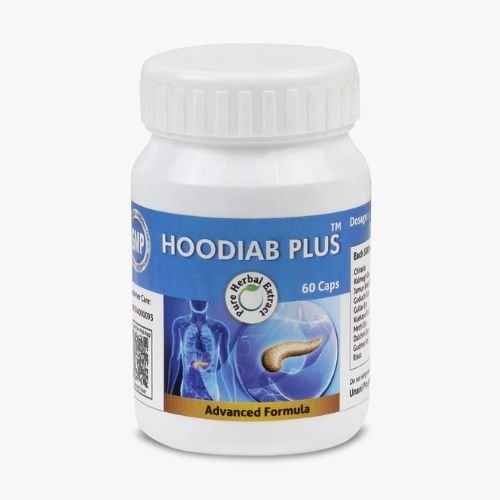 HOODIAB PLUSHolistic glucose control with relief from the everyday complications of diabetes.
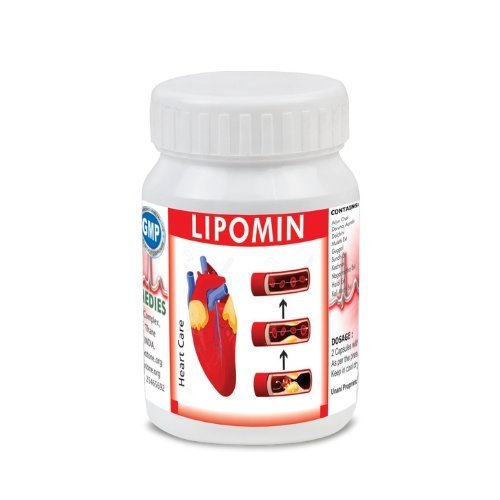 LIPOMINGinger, garlic, apple vinegar & lemon in one synergistic lipid-balancing formula.